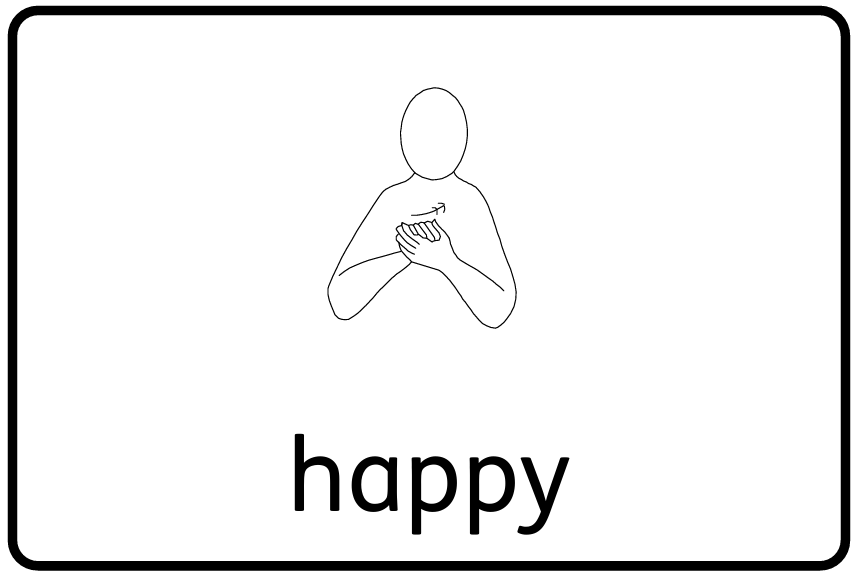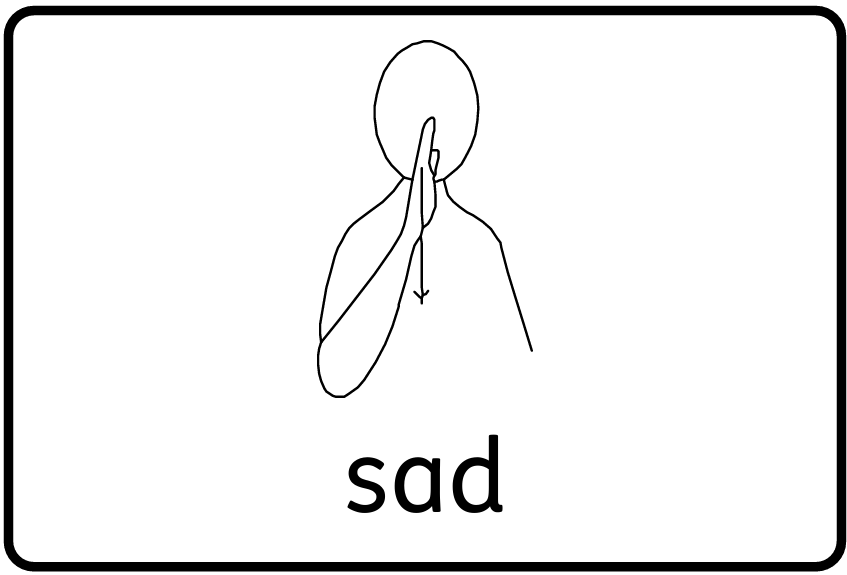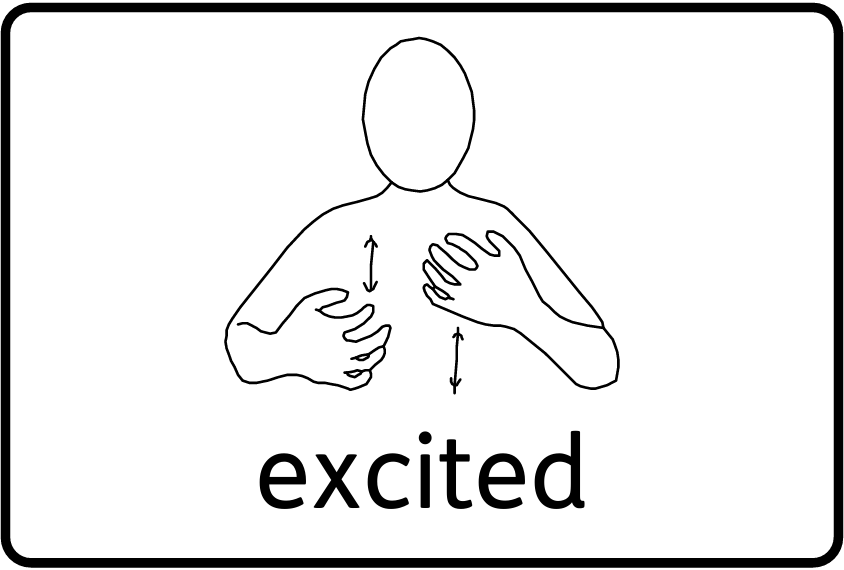
Makaton is a form of sign-supported communication that we use alongside speech to help make language clearer and more accessible for our pupils.
Each week we will focus on one key sign that staff and pupils will be using across the school, and we will also share it here so it can be practised at home. We will keep revisiting previous signs so that, over time, pupils can begin to put them together into short, meaningful phrases. The short video clips show how to sign and use the ‘Sign of the Week’ in everyday situations.


1/12/2025
At home, you might like to:
8/12/2025
At home, you might like to:
15/12/2025
We know that for some of our pupils hearing the word “no” can be upsetting or triggering. Our aim in teaching the sign NO is to empower pupils to say no when they do not want or like something, and then for adults to respond in a supportive way.
At home, you might like to:
12/01/2026
At home, you might like to:
19/01/2026
We will be modelling this sign throughout the day during play, snack time, and learning activities to support children in requesting, making choices, and expressing their preferences.
At home, you might like to practise ‘more’ by using everyday routines, such as:
Any attempt to communicate ‘more’, whether through signing, speech, or AAC, is encouraged and celebrated.
26/01/2026
We will be modelling this word throughout the day to support children in understanding when an activity has ended and in communicating completion during play, snack time, and learning activities.
You are very welcome to practise ‘finished’ at home during everyday routines, for example,
Any attempt to communicate ‘finished’, through signing, speech, or AAC, is encouraged and celebrated.

02/02/2026
We will be modelling this sign throughout the day, particularly around toileting routines and transitions, to support children in communicating their personal care needs in a clear and confident way.
You are very welcome to practise toilet at home during everyday routines. Any attempt to communicate — whether through signing, speech, or AAC — is encouraged and celebrated.

09/02/2026
In previous weeks we have focused on WANT, MORE, FINISHED and TOILET. This week we are building on that by practising LOOK, which we use to gain attention and to help pupils notice important things around them.
At home, you might like to:
23/02/2026
02/03/2026
This week at school, our Makaton Sign of the Week is GO. We will be modelling this sign throughout the day, particularly during transitions, outdoor play, movement games, and turn taking activities, to support children in understanding action words and expressing when they want something to start.

09/03/2026

16/03/2026
This week at school we are learning two Makaton Signs of the Week: I and MY. These signs help children refer to themselves and talk about things that belong to them. We will be modelling them during play, turn taking activities, and everyday routines.
23/03/2026
These signs help children understand and refer to others, as well as recognise ownership during everyday routines and interactions. We will be modelling them during play, turn taking, and daily activities.
You are very welcome to practise these at home using simple phrases such as;
Any attempt to communicate, whether through signing, speech, or AAC, is encouraged and celebrated.

21/09/2026
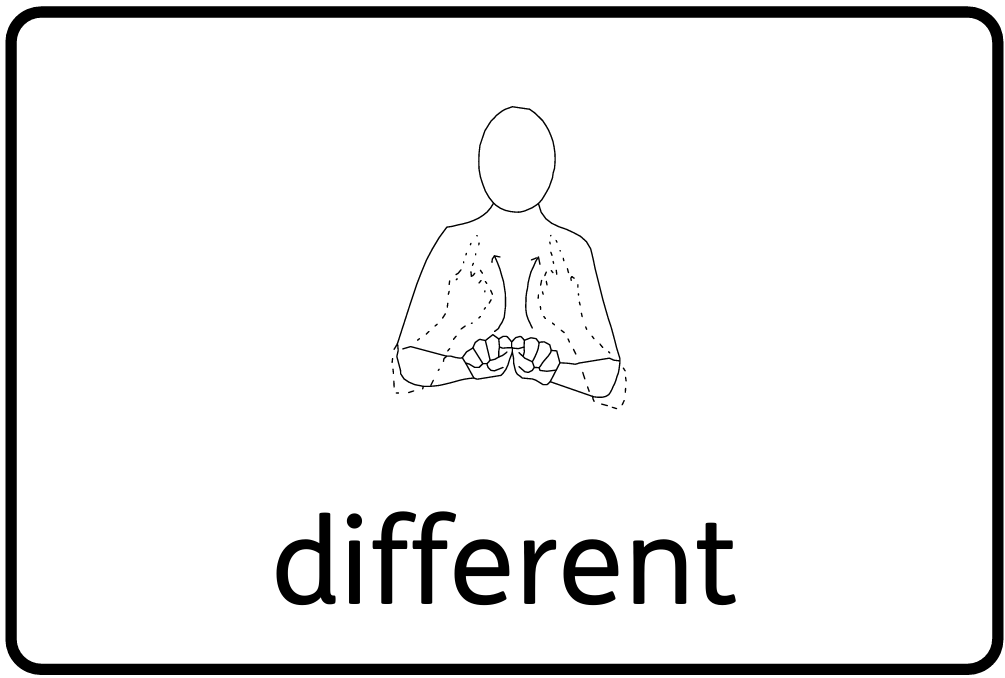
This week we will be modelling DIFFERENT during everyday activities to help children notice, understand and communicate when something is not the same.
At home, you might like to use DIFFERENT when comparing familiar things. For example:
You could also try:
You can explore the idea through matching, sorting, clothes, toys, foods, books or pictures. As always, please celebrate any attempt your child makes to communicate, whether through sign, gesture, symbol, sounds or speech.
5/10/2026
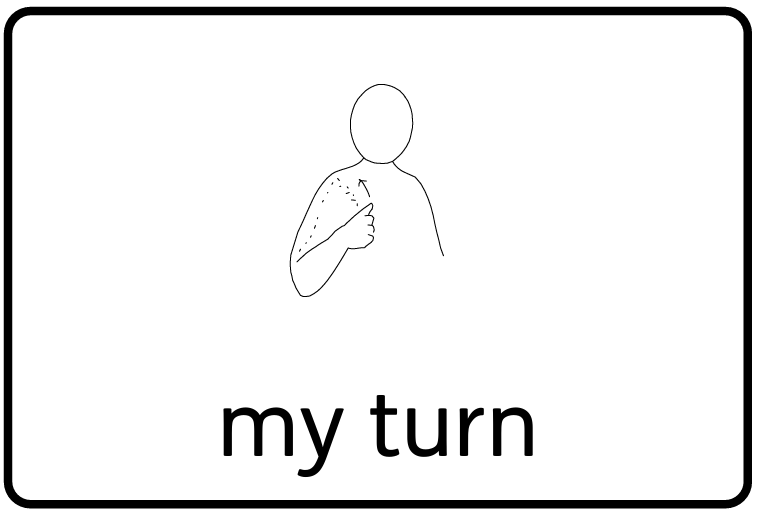
This week our whole school Makaton Sign of the Week is TURN.
TURN is a really useful sign for helping children understand and communicate whose turn it is during play, games and everyday activities.
This week we will also be building on signs pupils already know by using short phrases such as:
MY TURN
YOUR TURN
TURN MORE
TURN FINISHED
At home, you might like to practise TURN during simple activities such as rolling a ball, completing a puzzle, playing with a favourite toy, sharing snacks or taking turns during a game.
You can model phrases such as “My TURN” and “Your TURN” while using the sign and give your child a little time to process before passing the activity over.
As always, please celebrate any attempt your child makes to communicate, whether through sign, gesture, symbol, sounds or speech.
02/11/2026